
Kwacha Nears Two-Year High as Zambia’s De-Dollarisation Drive Sparks Dollar Sell-Off
Zambia’s Kwacha Strengthens to Two-Year High Following Government Crackdown on Dollar Use
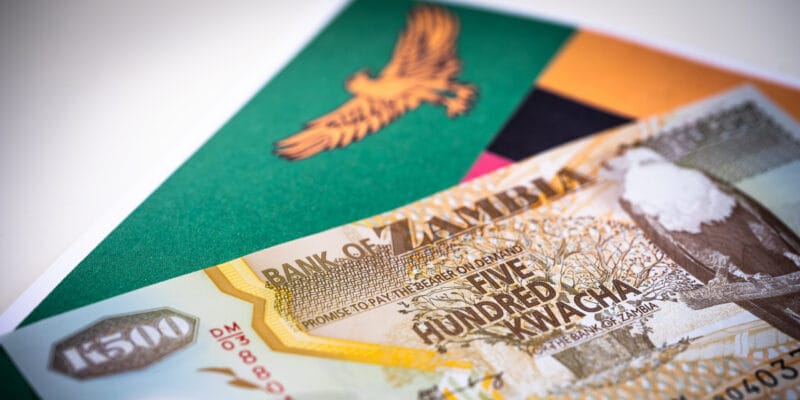
Zambia’s kwacha traded near its strongest level in more than two years after a government directive limiting the use of foreign currencies in domestic transactions triggered a surge in dollar selling across the market.
The currency gained sharply during the trading session, rising close to 1% against the US dollar before easing slightly to close the day higher.
The move extends a strong rally that began last year and has been supported by record copper prices and improving investor confidence. The kwacha has strengthened by more than 2% over the course of the week.
The latest appreciation reflects a sharp increase in foreign-exchange supply as businesses and individuals moved to liquidate dollar holdings in response to the government’s renewed push to de-dollarise the economy. Market participants described the selling pressure as driven by uncertainty and urgency following the policy directive.
In December, the Bank of Zambia instructed all market participants to settle domestic transactions exclusively in local currency, reinforcing the kwacha’s status as the country’s sole legal tender.
The measure has accelerated the conversion of foreign-currency balances into kwacha, creating strong short-term support for the local currency.
Dollar demand has also softened temporarily due to seasonal factors. Many manufacturing firms shut down operations during the Christmas period and are only resuming activity in the coming days, reducing the immediate need for foreign currency to finance imports.
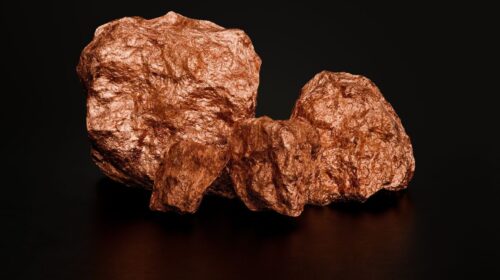
The kwacha was among Africa’s best-performing currencies in 2025, appreciating by approximately 26% against the US dollar. Zambia, the continent’s second-largest copper producer after the Democratic Republic of Congo, benefited significantly from elevated copper prices, which boosted export earnings and foreign inflows.
The positive momentum has also been reflected in capital markets, with the Lusaka Stock Exchange delivering some of the strongest returns among emerging and frontier markets in both local and dollar terms.
Beyond commodities, investor sentiment has been supported by progress under President Hakainde Hichilema’s economic reform agenda, particularly efforts to restructure Zambia’s debt and stabilise public finances ahead of general elections scheduled for August.
In a further sign of shifting financial dynamics, Zambia recently became the first African country to formally accept China’s yuan for the payment of mining taxes and royalties, highlighting Beijing’s growing role in the continent’s strategic resource sectors and Zambia’s evolving approach to currency diversification.